
Image
share:


Dogs can shake for many reasons. Sometimes, shaking is a natural response to excitement, cold weather, or drying off after a bath. Other times, the cause of dog shaking may be linked to stress, pain, or a health concern. While it is harmless in many cases, it can be worrying when your dog is shaking and not eating, panting, acting differently, or showing other signs of discomfort.
If your dog is trembling and asking yourself, “Why is my dog shaking?” start by looking at the situation, how long the shaking lasts, and whether it comes with other symptoms. Understanding why dogs shake can help you decide when to comfort your dog at home and when it may be time to speak with a veterinarian.
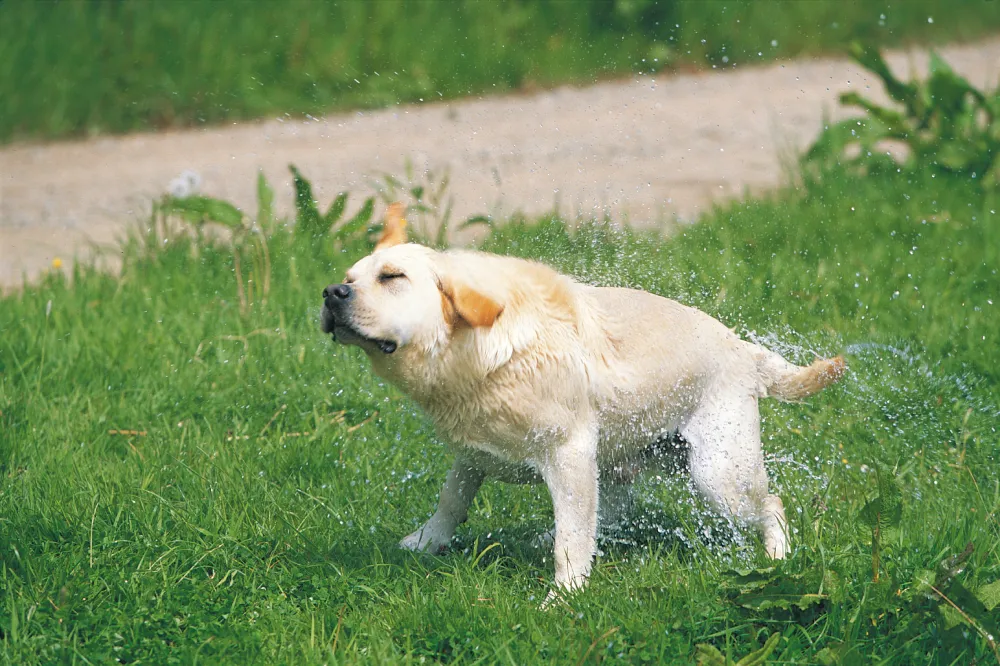
Generally speaking, shaking is a normal reflex for dogs. They may shake to dry themselves off, release tension, or show excitement. In these cases, it usually isn’t concerning, as it is their body’s way of resetting. However, dog shaking meaning can change depending on the situation.
Dogs may also tremble because of fear, pain, stress, or certain medical conditions. If your dog is shaking frequently, suddenly, or without an obvious reason, observe when it happens and look for other signs of discomfort, as these may point to an underlying health concern.
Here are some causes of dog shaking:
If your dog shakes briefly after a bath or during play, it's usually harmless. But if they shake in an unusual way or show symptoms like loss of appetite, stomach discomfort, or dog poop abnormalities, then you need to consult a vet. Here’s when to worry when dogs shake.
Shaking that doesn’t stop even after comfort or warmth.
If you are caring for a puppy, it is best to be more proactive, as they can be more sensitive compared to adults. Instead of waiting and wondering, “why is my puppy shaking?” it’s best to contact your vet right away if the trembling is persistent, sudden, or paired with other symptoms.
If your dog is shaking and not eating, it may signal illness. To help you rule out possible causes, here’s what you need to do.
If your dog is vomiting or showing symptoms of diarrhea or constipation, this may be due to digestive problems. Take them to the vet for a checkup and treatment.
Don’t force your dog to eat. If they have an undiagnosed stomach issue, forcing food may worsen their condition. Instead, offer their usual food in small amounts, keep the environment calm, and contact your vet if they continue refusing food.
Make sure your dog has access to clean, fresh water to help prevent dehydration. This is especially important for dogs that are experiencing diarrhea or vomitting.
If it's been over a day and your dog still hasn't eaten anything, don't take it lightly. Persistent refusal to eat plus shaking can indicate serious conditions requiring professional vet treatment.
Pet parents often panic when their dogs shake. In these situations, it’s important to remain calm and aware of things you could do to help them. Helping a trembling dog means addressing both physical and emotional needs so here’s what you can to do calm a shaking dog:
Overall, the reason why dogs shake can vary depending on the situation. In many cases, dogs shake because they are excited, cold, wet, stressed, or dreaming. However, shaking can also point to pain, illness, or discomfort. The best thing pet parents can do is observe the timing, look for other symptoms, and contact a vet if the shaking feels unusual or does not go away. For more helpful dog care tips, explore the PEDIGREE® blog for more insights on dog health, nutrition, and everyday care.
Review this article:
If your dog shakes while sleeping, it’s probably because they’re dreaming. This is normal and usually harmless. However, if shaking is intense or accompanied by distress, consult your vet to rule out neurological issues.
Shaking and panting often signal stress, overheating, or pain. If panting is excessive or paired with trembling that doesn’t stop, seek veterinary advice to rule out underlying health issues.
If your dog is shaking its head frequently. It usually points to ear problems, like infections, ear mites, or allergies. Check for redness, odor, or discharge. A vet can provide safe treatment to relieve discomfort and prevent complications.
Puppies may shake because they are cold, excited, nervous, tired, or adjusting to a new environment. However, because puppies are more sensitive than adult dogs, persistent or sudden shaking should be taken seriously. If your puppy is also not eating, vomiting, weak, or acting differently, contact your vet right away.