Image
share:


Your dog’s stool can reveal a lot about their internal health. While changes in dog poop can sometimes be linked to what your pet recently ate, they can also point to underlying issues that require closer attention. If you’re suddenly noticing dark or black dog stool, it’s important not to ignore the change.
Seeing black dog poop can be alarming for any pet parent, and for good reason. In some cases, stool may darken due to harmless dietary shifts, but it can also signal more serious conditions such as bleeding in the digestive tract, infections, or other complications. In this guide, we’ll explain what black stool means, the common causes behind it, and how you can help your dog recover!
Dog poop can vary based on factors like shape, texture, consistency, and color. Understanding what is considered normal dog poop is the first step to pinpointing any anomalies.
Healthy dog poop typically has several distinct characteristics. It is usually medium to light brown, depending on the food your dog eats. The shape should be firm and log-like, but not rock-hard or dry. Ideal stool is easy to pick up and shouldn’t be overly wet, sticky, crumbly, or greasy.
Healthy poop should also be free of concerning elements such as mucus, blood, worms, or visible undigested food. Any abnormalities may indicate digestive issues or underlying health conditions that need closer attention.
Black or dark stool (also called melena) in dogs appears shiny, tarry, and sticky and is accompanied by a foul odor. Melena develops when digested blood passes through the digestive system, which is normally caused by bleeding in the stomach or upper intestines. However, not all dark-looking stools automatically signal bleeding. Some foods or substances can naturally darken stool, including organ meats, dark-colored treats, iron supplements, or activated charcoal, which is commonly used to treat toxin ingestion.
Dark dog stool is often mistaken for bloody dog poop, but it’s important to understand that they have different causes. While both conditions involve the presence of blood, they come from different parts of the digestive system and may require different forms of treatment. Recognizing the distinction between black stool and bloody stool can help you identify the likely source of the issue and determine how urgently your dog may need veterinary care.
There are different possibilities as to why your dog’s poop is black, ranging from diet changes to digestive issues. Understanding these causes can help you better understand your dog’s condition and know when it’s time to call your veterinarian.
Certain foods and supplements can temporarily cause black stool dog without indicating illness. When a dog eats ingredients high in iron or naturally dark pigments, the stool may appear darker for a short period. Some of the most common dietary culprits include:
In these cases, the stool color change is typically harmless. If your dog is eating well, behaving normally, and showing no signs of discomfort, the dark stool may simply be a reaction to what they’ve been fed. Most dogs return to their normal stool color within 24–48 hours once the food or supplement is no longer in their system.
Black, tarry stool often indicates internal bleeding in the upper gastrointestinal tract. Internal bleeding can arise from several conditions that irritate or damage the stomach or intestines.
Possible underlying causes include:
Certain medications and health factors can also increase a dog’s susceptibility to gastrointestinal bleeding. Dogs may additionally show symptoms such as vomiting, reduced appetite, abdominal discomfort, pale gums, lethargy, or general weakness.
Medication-related causes include:
Worms in dogs can damage the digestive lining and lead to black stool symptoms when bleeding occurs inside the gastrointestinal tract. Hookworms, whipworms, and other internal parasites attach to the intestinal walls, causing irritation, inflammation, and blood loss that may darken stool. Dogs with parasite-related issues may also experience weight loss, pale gums, diarrhea, abdominal discomfort, or frequent scooting.
Bacterial infections can also cause dark or black stool in dogs. Pathogens such as Salmonella or E. coli may irritate the digestive tract, leading to inflammation and internal bleeding that darkens stool as it passes through the system. These infections may be accompanied by vomiting, loss of appetite, fever, or lethargy.
Dogs, especially puppies and curious breeds, may swallow objects that aren’t meant to be eaten. When a dog ingests household objects like toys or bones, they can irritate, scratch, or block parts of the digestive tract. On top of causing black dog stool, dogs may experience abdominal pain, bloating, vomiting, or weaknesses.
Ingestion of toxins is another serious cause of black stool in dogs. Common household substances like rat poison, cleaning supplies, or plants may injure your dog’s internal systems. Because both foreign objects and toxic substances can cause rapid deterioration, early recognition and veterinary attention are essential.
Certain medical conditions, particularly those affecting the digestive tract, can also lead to dark dog stool. Tumors or growths in the stomach or intestines may cause chronic irritation or bleeding, resulting in repeated episodes of black, tarry stool. Dogs with these conditions may experience gradual weight loss, intermittent vomiting, reduced appetite, or signs of anemia such as pale gums.
Because these underlying conditions can progress slowly and are not always obvious at first, early diagnostics are extremely important. Tests such as bloodwork, x-rays, ultrasound, or endoscopy can help veterinarians identify growths, inflammation, or other structural issues contributing to black dog poop.
Not every case of dark dog poop is an emergency. In some situations, especially if your dog is behaving normally, the color change may resolve within 24–48 hours. But for your own peace of mind, it’s important to continue monitoring your dog.
Look for these signs if you want to know when to be cautious:
If black stool appears alongside any of the following symptoms, veterinary attention is recommended:
Lastly, keep these monitoring tips in mind:
Depending on a case-by-case basis, dark stool in dogs can either be treated with home care or vet-prescribed treatments.
If your dog is otherwise acting normal, it's highly likely that the dark stool is caused by what they’re eating. Begin by monitoring their bowel movements closely then track the stool’s appearance, frequency, and any changes in behavior. Temporary diet adjustments may help, especially if your dog recently ate foods high in iron or dark pigments. Feeding a simple, bland diet for 24–48 hours can help determine whether the stool begins to lighten.
It’s also important to avoid foods or substances that may worsen digestive irritation. If you’re unsure about what may have contributed to the stool change, keep a list of foods dogs should avoid and check if your dog may have eaten something they shouldn’t. Persistent black stool, worsening symptoms, or any signs of discomfort should require veterinary evaluation.
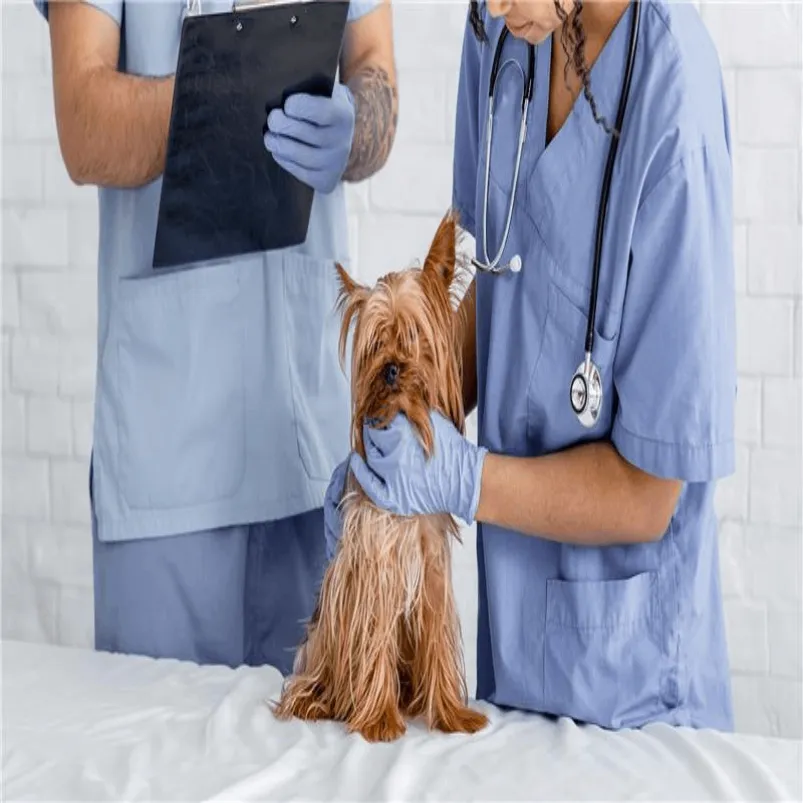
If home care doesn’t improve your dog’s condition or you suspect melena, it’s best to bring your pet to the vet. Your vet will help you identify what’s causing the black dog stool and an early check can make a big difference.
During your visit, the vet may ask about your dog’s recent meals, behavior changes, medications, and any signs such as vomiting or low energy. A physical exam often follows to check for abdominal discomfort, dehydration, pale gums, swelling, or other indicators of internal issues.
Common diagnostic tests may include:
Once the cause is identified, the vet will recommend the most suitable treatment to help your dog recover. These may range from simple medical support to more advanced care, depending on your dog's case.
Treatment options may include:
Black dog stool can often be avoided with consistent care and attention to your dog’s daily habits. Proper nutrition, routine monitoring, and preventive care minimize risk and ensures that your dog stays healthy.
A balanced diet is one of the most effective ways to maintain digestive health and reduce the chances of black dog stool. Tracking what your dog eats and how their stool looks afterward, helps identify foods that may darken stool or irritate the stomach. Supervising outdoor activities is also important, as scavenging or eating unfamiliar objects can lead to digestive upset.
At the end of the day, switching to complete and balanced dog food is the best option you can take. Commercially prepared dog food provides your dogs all essential nutrients they need while supporting healthy digestion.
Routine monitoring allows you to detect stool changes early, before they develop into more serious concerns. Observing stool color, texture, and frequency, along with symptoms like vomiting, appetite changes, or lethargy, gives you valuable insight into your dog’s overall well-being. Medications such as NSAIDs and supplements should also be given carefully and only under veterinary guidance to avoid gastrointestinal side effects.
Parasite prevention is another key part of maintaining a healthy digestive system. Especially for dogs at the start of life, deworming for puppies early helps protect the intestines from damage that can lead to darkened stool.
Understanding why dogs develop black stool allows you to respond quickly and confidently. While dietary changes or minor irritation may cause temporary darkening, symptoms like tarry stool, vomiting, or weakness can signal deeper issues. Paying attention to your dog’s behavior, monitoring their stool, and knowing when to seek help make a meaningful difference in securing your fur baby’s health.
For more pet health guides, practical tips, and nutrition information, feel free to explore the PEDIGREE® blog. We have a rich library of helpful articles that can guide you in caring for your pet at every stage of life.
Review this article:
Black, tar-like stool, known as melena, usually indicates digested blood in the gastrointestinal tract. This often comes from bleeding in the stomach or upper intestines and may be caused by ulcers, parasites, swallowed blood, or other internal issues. Because melena can signal a serious condition, it’s important to have your dog evaluated by a veterinarian promptly.
Dehydration can make stool appear darker and firmer, but true black stool is more commonly linked to internal bleeding rather than lack of water. Dogs should always have access to fresh water to prevent constipation and digestive strain. Since black stool can point to serious gastrointestinal problems, a veterinary check is recommended.
Stress can affect your dog’s digestion and lead to diarrhea, constipation, or softer stool, but black or tarry stool typically suggests bleeding in the upper gastrointestinal tract, not stress alone. Conditions such as ulcers, medication irritation, or internal injury are more common causes. A veterinary exam is important to rule out serious health concerns.