
Image
share:


Cataracts in dogs can cloud their vision and greatly affect their quality of life. This condition, often linked to aging, genetics, or underlying health issues, causes the eye’s lens to become cloudy or opaque. Recognizing the early signs and understanding treatment options is key to helping your dog stay comfortable and healthy.
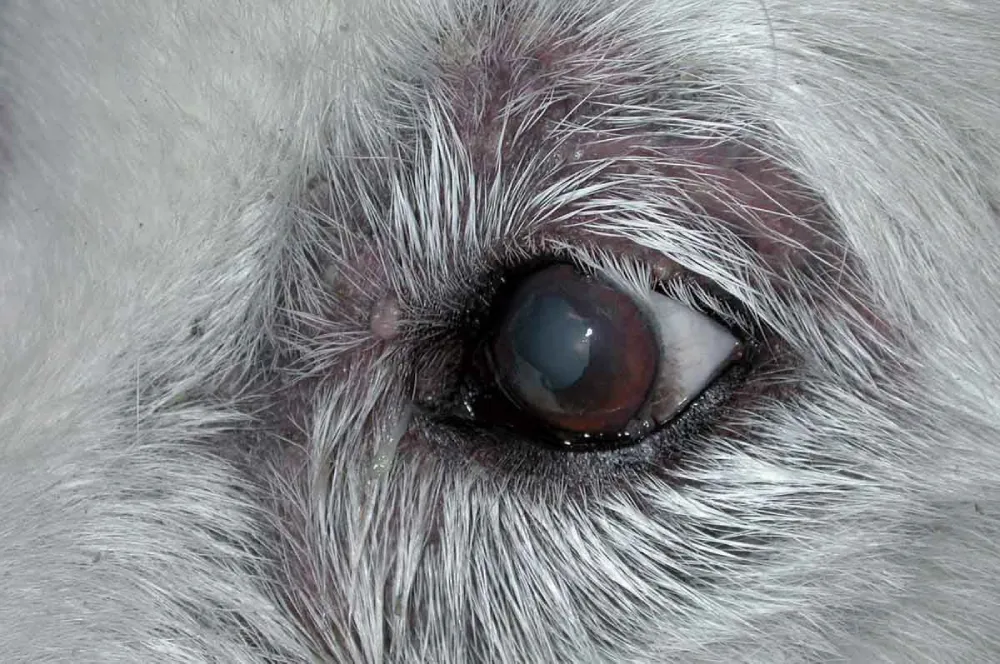
Cataract in dogs occurs when the lens of the eye becomes cloudy, leading to impaired vision. Just like in humans, this condition can range from mild cloudiness to complete blindness. While it is more common in older dogs, cataract in puppies can also occur due to genetics or congenital issues.
The stages of cataracts in dogs progress gradually:
Early signs of cataract in dogs can be subtle, so regular vet checkups are important. Knowing the symptoms of cataracts can also help pet parents notice changes early and give their dogs the care they need:
Cataract causes in dogs vary, but the most common include:
Your veterinarian will perform a thorough eye exam using specialized tools to assess the lens. They may also check for underlying conditions like diabetes. In some cases, referral to a veterinary ophthalmologist is recommended for advanced testing.
Cataract removal for dogs is performed by veterinary ophthalmologists. During the procedure, the cloudy lens is removed and may be replaced with an artificial lens to help improve vision. For pet parents looking into cataract treatment for dogs without surgery, options are limited. While eye drops, medications, or supplements may help manage eye health, they cannot fully reverse an existing cataract.
Untreated cataracts can lead to:
Post-surgery care is vital for recovery. Your vet will prescribe eye drops and pain relief medication. Dogs may need to wear an Elizabethan collar to prevent scratching. Follow-up visits are necessary to monitor healing. With proper care, most dogs regain excellent vision and return to their normal activities.
Cataracts in dogs can feel worrying at first, but noticing changes early and working closely with your veterinarian can help your dog stay comfortable and cared for. From understanding the early signs of cataract in dogs to learning about treatment options, pet parents can make better decisions for their dog’s eye health. For more helpful guides on dog health, care, and everyday wellbeing, explore the PEDIGREE® blog.
Review this article:
The earliest signs often include a cloudy, bluish-white film over the eye, which may look like your dog’s eyes are “foggy.” You might notice them hesitating at stairs, bumping into furniture, or struggling to find toys in dim light. These subtle changes are easy to miss at first, so regular vet checkups are important for early detection.
Yes, many dogs adjust surprisingly well to cataracts, especially when vision loss happens gradually. They rely heavily on smell and hearing, so they can still navigate their world with confidence. Comfort depends on the rate of progression and whether complications such as glaucoma arise, so monitoring and veterinary guidance are key.
In diabetic dogs, cataracts can progress to blindness within weeks or months. In age-related or hereditary cases, the cloudiness may take months or even years to mature fully. Once the cataract covers the entire lens, dogs lose functional vision, though they may still detect light and shadows.
With success rates around 85-90%, cataract surgery can restore clear vision and prevent secondary issues like glaucoma. The procedure involves removing the cloudy lens and replacing it with an artificial one. It’s most beneficial for younger, otherwise healthy dogs, but older pets can also benefit if they’re good surgical candidates.
Yes, cataracts are often inherited, especially in breeds like Cocker Spaniels, Labrador Retrievers, Poodles, Boston Terriers, and Siberian Huskies. In these dogs, cataracts may appear much earlier in life, sometimes between 1 and 5 years of age.